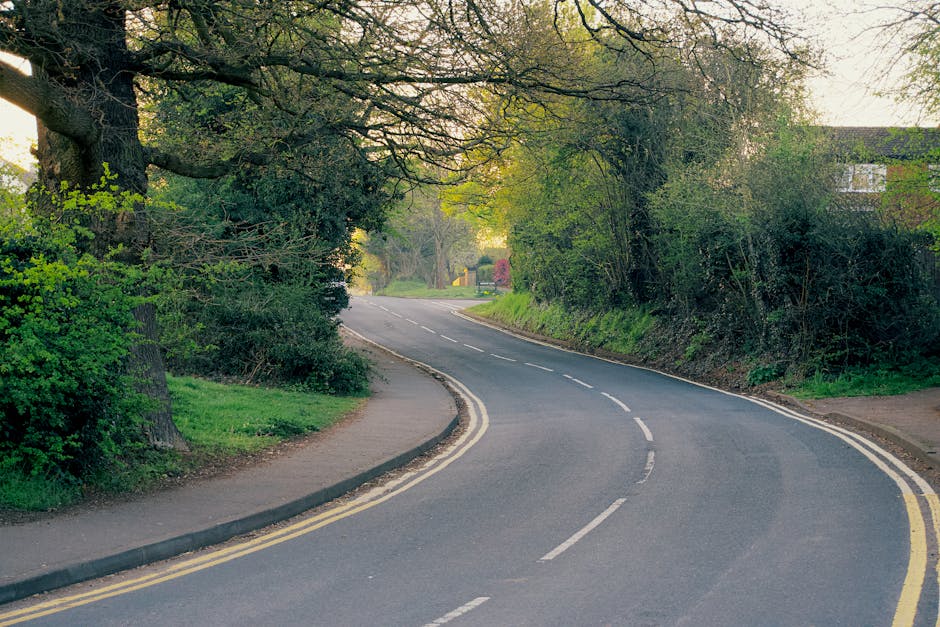
Best removals routes on Crews Hill Road for large vans
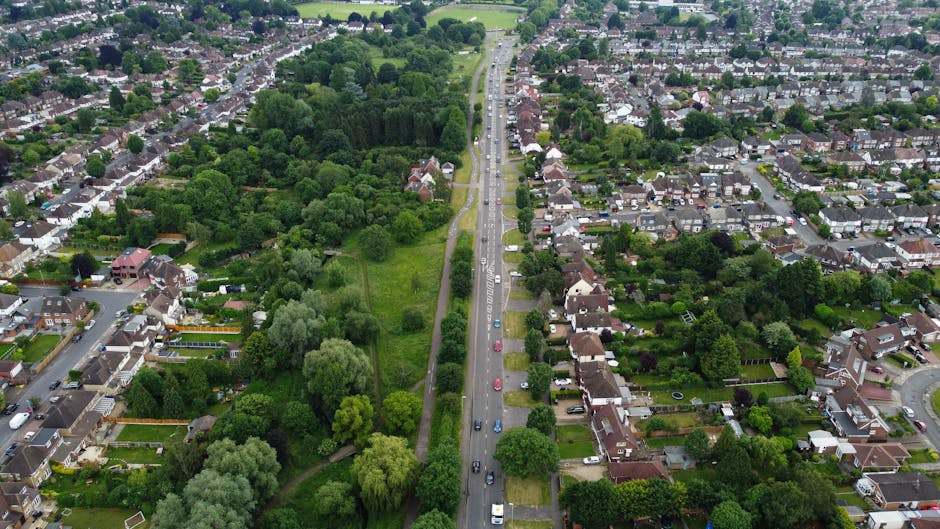
If you are planning a move around Crews Hill Road and you are bringing a large van, the route matters more than most people expect. A journey that looks simple on a map can become awkward fast once you factor in parked cars, tight turns, delivery traffic, school runs, and the sheer length of a loaded removal van. The best removals routes on Crews Hill Road for large vans are the ones that reduce stopping, avoid pinch points, and keep the whole move calm rather than chaotic.
That is the real goal here: not just "getting there", but getting there without scraped mirrors, unnecessary reversing, or that horrible moment when a driver realises the road ahead is not really van-friendly. In this guide, we'll look at how to plan a safer route, what makes Crews Hill Road tricky for bigger vehicles, and how to choose the right approach whether you are moving a one-bedroom flat or a full house. We'll also cover practical route planning, timing, compliance, and a few things that can save you a lot of stress on moving day.
For anyone comparing options, it may also help to look at broader moving support such as removals, man with van, or house removals depending on the size of the job. For a bigger relocation, you may want the more tailored support found in office removals or commercial moves.
Expert summary: Large vans do best on routes that are predictable, wide enough to pass parked cars safely, and free from unnecessary tight turns. The smartest route is often not the shortest one. It is the one that keeps loading, access, and turning simple.
Why Best removals routes on Crews Hill Road for large vans Matters
Crews Hill Road sits in the kind of environment where moving traffic, local access, and residential pressure can all overlap. That matters because large vans do not behave like small panel vans. They need more space to brake, more room to turn, and more time to complete manoeuvres. A route that works for a car can become awkward very quickly for a removal van or moving truck.
In moving terms, route planning is not just navigation. It is risk management. The right route reduces the chance of blocked access, awkward three-point turns, and delays caused by narrow sections or unexpected obstructions. It also helps protect furniture, especially tall items like wardrobes, mattresses, and white goods that can shift if the van has to brake sharply or reverse repeatedly.
Let's face it, nobody wants the removal crew standing in the road while traffic builds behind them. A good route keeps the day moving. That is especially useful if you are using a removal van or arranging a man and van removals service where speed and flexibility make a real difference.
It also matters for neighbours and local access. If your van can approach, stop, and leave cleanly, you minimise disruption. That is always appreciated on a road where people may be coming and going, deliveries are happening, and there is not much patience for prolonged blockages. You will notice the difference immediately: less tension, less noise, less faffing around.
How Best removals routes on Crews Hill Road for large vans Works
Good route planning starts before the van leaves the yard. The driver or move coordinator should assess the size of the vehicle, the volume of furniture, the time of day, and the likely access conditions at both ends of the move. On a road like Crews Hill Road, that often means thinking about whether the van should enter from one direction rather than another, and whether there is enough space to stop safely without causing a squeeze.
A practical route for a large van usually follows four simple checks:
- Approach width: Is the road wide enough for a larger vehicle to pass parked cars without constant slowdowns?
- Turning room: Can the van turn in and out without awkward reversing?
- Stopping space: Is there a safe place to load or unload without blocking driveways or junctions?
- Exit path: Can the vehicle leave smoothly, especially if the load is awkward or the road is busy?
That sounds straightforward, but the detail matters. A route may look fine in daylight, then feel very different at school pick-up time or after dark. Wet weather can make things feel tighter too, especially when visibility drops and drivers become more cautious. A sensible plan allows a little margin. Not huge, just enough to avoid the panic spiral.
For bigger properties or combined house-and-office jobs, a larger vehicle such as a moving van or moving truck may be more suitable than a smaller vehicle. If the route is especially awkward, it can be better to split the load and use a more flexible service like man with a van rather than forcing one oversized trip.
Key Benefits and Practical Advantages
The best removals routes on Crews Hill Road for large vans bring a set of very practical benefits. They are not glamorous, but they are the things that make moving day smoother from start to finish.
- Fewer delays: A sensible route avoids unnecessary congestion and reduces time spent waiting for gaps in traffic.
- Safer loading and unloading: If the van can stop in a controlled place, heavy items are less likely to be damaged during handover.
- Less reversing: Reversing a long van on a narrow road is rarely fun, and to be honest, it is where a lot of mistakes happen.
- Better protection for furniture: Smooth routing means fewer sharp movements, which helps keep boxed items and larger furniture stable.
- Lower stress for everyone: The driver, the movers, and the customer all benefit when the plan feels organised.
There is also a commercial benefit. If you are booking a professional move, a clear route helps the team estimate time properly, which in turn supports more accurate scheduling and pricing. That is one reason readers sometimes cross-check service pages like pricing and quotes and removal services before confirming a booking.
And yes, a better route can save money indirectly. Fewer delays usually mean fewer labour hours, less wasted fuel, and a lower risk of needing a second attempt. It is not magic. Just good planning, really.
Who This Is For and When It Makes Sense
This topic is most useful for people moving in or out of properties along Crews Hill Road, especially where a larger van is being used for bulky or multiple items. That includes households, landlords, office managers, tradespeople, and anyone moving furniture without wanting to hire a full-size lorry.
It is especially relevant if you are:
- moving a family home with several large items
- relocating a small office or studio
- collecting or delivering heavy furniture
- using a van hire arrangement and driving yourself
- booking a local team through a removal company or movers
It also makes sense for people who do not yet know whether they need a small van, a medium van, or something more substantial. If you are on the edge between options, route conditions can tip the decision. A van that is technically big enough for the load may still be awkward if the access is tight. In those cases, a well-planned route is not a luxury. It is part of the service design.
A quick real-world example: a customer moving from a terrace-style property with a chest of drawers, bed frame, sofa, and boxed kitchen gear may think, "We only need one large van." Fair enough. But if the street layout makes turning difficult, the route can matter almost as much as the vehicle itself. Sometimes the clever answer is a slightly different parking position, not a bigger truck.
Step-by-Step Guidance
Here is a practical way to plan the best removals route on Crews Hill Road for a large van.
- Measure the job properly. List the biggest items first. Sofas, beds, wardrobes, appliances, and desks usually decide the vehicle size.
- Check access at both addresses. Look for narrow gates, low branches, shared driveways, tight bends, and anywhere the van may need to wait.
- Choose a route that avoids unnecessary turns. Fewer awkward turns usually means fewer complications. Simple is good.
- Plan the parking position before arrival. Where possible, decide exactly where the van should stop for loading and unloading.
- Allow time buffers. If the route looks tight, build in extra time so nobody is rushing.
- Load the van in a stable order. Heavy items low, lighter items above, fragile pieces protected and secured.
- Do a final safety check before leaving. Make sure nothing is loose, the tail lift or rear doors are secure, and mirrors are clear.
If you are using a professional team, this is where packing and unpacking services can be surprisingly helpful. Good packing reduces the chance that items shift during the drive, which matters even more when the route includes stop-start traffic or limited manoeuvring room.
One small but useful habit: stand back for ten seconds before setting off and look at the road from the van driver's eye level. It sounds almost too basic to mention, but it helps. You spot things you miss when planning from the sofa.
Expert Tips for Better Results
After enough moves, a few patterns become obvious. The smoothest jobs usually come down to preparation and restraint. Not fancy tech. Not heroics. Just a few smart choices.
1. Pick the least stressful travel window. Early morning is often calmer than mid-afternoon, although local conditions can vary. If the road is busy with deliveries or school traffic, shifting the move slightly can make a noticeable difference.
2. Keep the route as direct as possible. If a slightly longer route avoids one nasty turn or an awkward pinch point, take the longer route. That extra minute may save ten minutes of hassle.
3. Use a second person as a spotter. A helper watching mirrors and tail swing can make tight access much easier. This is one of those small things that pays off immediately.
4. Protect the vehicle's turning room. Large vans need a bit of dignity. If a parking plan leaves no room to swing out, rethink it before the engine starts.
5. Communicate clearly with the movers. If the customer knows where the van is likely to park, unloading becomes faster. Everyone moves with more confidence.
For higher-value or heavier jobs, it is also sensible to review insurance and safety guidance before moving day. Even a well-run move can have the occasional wobble, and it is best to know how the service handles protection and responsibilities.
Truth be told, the best route is often boring. That is good news. Boring means predictable, and predictable means safer.
Common Mistakes to Avoid
Here is where many people get caught out. Large vans hide a few problems until the last minute, and by then it is usually too late to make a relaxed choice.
- Choosing the shortest route blindly. Shortest is not always safest or easiest for a bigger vehicle.
- Ignoring parked cars. A route that is fine at 9 a.m. may be far tighter at 5 p.m.
- Forgetting about reversing space. If there is nowhere to correct a mistake, the whole move becomes fragile.
- Underestimating the load size. A van that is too small means extra trips, which then complicates routing all over again.
- Not briefing the driver. Drivers need local access information, not just a postcode and a shrug.
One particularly common issue is treating route choice as separate from vehicle choice. In practice, they belong together. If the access is awkward, a smaller van may outperform a bigger one. That is why services such as removals near me can be useful when you want a local operator familiar with the area and its quirks.
Another mistake? Leaving booking decisions until the last minute. If the route needs thought, give it thought before moving day. That simple shift prevents a lot of stress. And a bit of swearing in the van cabin, which nobody needs before lunch.
Tools, Resources and Recommendations
You do not need a complicated toolkit to make a smarter route decision. A handful of reliable habits and simple resources are usually enough.
- Route planning notes: Write down access details for both ends of the move.
- Vehicle dimensions: Know the height, width, and turning needs of the van you are using.
- Inventory list: Helps you match the load to the right vehicle and route.
- Communication plan: Make sure the driver, customer, and helpers all know the loading point.
- Time buffer: A small cushion prevents rushed driving and rushed lifting.
If the move is part of a bigger home relocation, it can help to look at broader support pages such as home moves, house movers, or house removalists. For smaller one-off jobs, furniture pick up may be more appropriate if you only need a single item or a handful of bulky pieces moved.
If you are comparing service standards rather than just transport, it is worth reading practical pages like about us and terms and conditions. That helps you understand how the company works, what to expect, and where the boundaries are. Clear information now is better than awkward surprises later.
Law, Compliance, Standards, or Best Practice
For road use in the UK, drivers of large vans should follow the normal requirements for safe driving, load security, visibility, and roadworthiness. If a vehicle is being used for removals, the same basic expectations apply: it must be driven carefully, loaded safely, and positioned without creating avoidable danger for pedestrians or other road users.
Best practice also means respecting local access conditions. That includes not blocking entrances, keeping clear of junctions, and avoiding risky manoeuvres where the road is too tight. In a local moving context, common-sense caution is part of professional standards.
If you are booking a service, it is sensible to check how the company handles responsibility for damage, delays, and access problems. That is where pages like health and safety policy and payment and security can be useful. They do not make the move more exciting, admittedly, but they do make the process clearer and more trustworthy.
Also worth noting: if a route includes customer parking, shared access, or busy roadside loading, the safest approach is usually the one with the least pressure on everyone involved. Good operators know this. They will not force a move to happen in a poor space just because it looks easier on paper.
Options, Methods, or Comparison Table
When people ask about the best removals routes on Crews Hill Road for large vans, what they often really want is help choosing the right moving method. Here is a simple comparison to make that easier.
| Method | Best for | Pros | Watch-outs |
|---|---|---|---|
| Small van / flexible man and van | Light moves, a few bulky items, tighter access | Easier turning, simpler parking, often quicker on narrow roads | May need more than one trip |
| Large removal van | House moves with several rooms' worth of items | Better capacity, fewer journeys, efficient for larger loads | Needs more turning room and access planning |
| Moving truck | Big relocations or commercial moves | Strong capacity and fewer loads for substantial jobs | Can be awkward if the route is tight or parking is limited |
The table is a useful starting point, but route conditions can shift the decision. A large van may still be the best choice if the access is reasonably open, while a smaller vehicle can be smarter if the road layout feels cramped. The trick is not to overcomplicate it. Match the vehicle to the route, not just the volume of stuff.
Case Study or Real-World Example
Imagine a couple moving from a property near Crews Hill Road with a sofa, bed, fridge freezer, dining table, and several boxes. On paper, it looks like one large van should do the job. That part is fine. The challenge is the access.
Instead of sending the van straight to the front door without checking, the movers first review the road layout and decide on a loading position that avoids a narrow turning point nearby. They choose a slightly earlier departure time, before the road gets busier, and the driver arrives with a clear plan for where to stop. The result? Less waiting, less reversing, and no frantic reshuffling of boxes at the kerb.
The couple notice something else too: the move feels calmer. Nobody is standing around wondering where the van should go next. The loading process is more deliberate, the route out is clean, and the whole job finishes without that drained, slightly bewildered feeling that can happen when a move becomes messy. That is often the difference between a decent removals day and a good one.
If the same job had been done through a broader local moving setup, the team could have supported the route planning alongside the lifting. That is why some customers prefer a full removal company rather than making every decision themselves. It is not about being fancy. It is about keeping the moving day under control.
Practical Checklist
Use this before your large van heads onto Crews Hill Road.
- Confirm the full inventory and vehicle size
- Check both addresses for access limits
- Look for narrow turns, parked-car pinch points, and low obstacles
- Choose the least stressful route, not just the shortest one
- Agree a parking and unloading position in advance
- Build in extra time for loading and exit
- Secure furniture and boxes before departure
- Brief everyone on any awkward access details
- Review safety and insurance information if relevant
- Keep the contact number for the moving team close at hand
If you want a smoother handover, a company that can help with both planning and loading is often worth it. That may mean using removal services, man with van removal, or a more comprehensive moving setup depending on the size of the job.
Conclusion
The best removals routes on Crews Hill Road for large vans are the ones that keep the move safe, simple, and predictable. That usually means choosing a route with enough width, enough turning room, and enough breathing space to load and unload without pressure. The shortest route may look tempting, but the smartest route is the one that protects the people, the vehicle, and the furniture.
Whether you are moving a flat, a house, or a small business setup, the same rule applies: plan the route first, then match the van to the access. Do that well and the rest of the day tends to fall into place. Not perfectly, because real moves never are, but well enough to feel manageable.
And that, honestly, is the win.
Get a free quote today and see how much you can save.
Frequently Asked Questions
What is the best route for a large van on Crews Hill Road?
The best route is usually the one that avoids tight turns, parked-car bottlenecks, and awkward reversing. In practice, that means choosing the most predictable access path rather than the shortest one.
Should I use a large van or a smaller van for a move on Crews Hill Road?
It depends on both the volume of goods and the access conditions. If the road or driveway is tight, a smaller van may be easier to manage even if it means more than one trip.
Why does route planning matter so much for removals?
Because moving vehicles need space to stop, turn, and unload safely. A poor route can cause delays, damage risk, and a lot of unnecessary stress.
Can a moving truck access Crews Hill Road easily?
That depends on the exact loading point, road width, parking pressure, and time of day. For very large vehicles, it is sensible to check access carefully before confirming the booking.
What should I tell the removal team before the job starts?
Tell them about narrow gates, low branches, restricted parking, shared driveways, and any time restrictions. The more accurate the access details, the smoother the move.
Is a man and van service suitable for large furniture moves?
Often yes, especially if the load is bulky but not massive. A flexible service like man and van can work well where access is a bit awkward.
How early should I plan the route for moving day?
As early as possible. Even a basic access check a few days ahead can prevent last-minute problems. Same-day planning is possible, but it gives you less room to adjust.
Do I need special permission to park a removal van?
Sometimes, depending on the location and parking arrangements. It is best to check local conditions and any property restrictions in advance rather than guessing on the day.
What items are most likely to be damaged during a route with lots of stops?
Large, heavy, or loose items such as wardrobes, mirrors, appliances, and stacked boxes can move if the van is forced to brake sharply or reverse repeatedly. Proper loading helps a lot.
How do I know if my move needs a full removal company?
If you have a bigger inventory, awkward access, or a time-sensitive move, a removal company can offer a more organised solution than doing it all yourself.
What if the route looks fine online but not in person?
Trust the real-world view. Maps are helpful, but on-the-ground access is what counts. If something feels tight, adjust the route or vehicle choice before moving day rather than forcing it.
Are there signs that my van is too big for the route?
Yes: repeated reversing, poor visibility around parked cars, very limited turning room, or no safe place to stop. If you see those signs, it is worth reconsidering the vehicle or the unloading point.