Man with van in Crews Hill

Our man with van in Crews Hill service is built for practical moving tasks that need careful handling, flexible loading and sensible planning. It suits home moves, single-item transport, collection and delivery work, and straightforward removals where a smaller vehicle and hands-on support are a better fit than a larger crew. We focus on moving items safely, organising the load logically and helping the day run in a tidy, efficient way.
For many customers, the main value is having one service that can cover different types of work without unnecessary complexity. That might mean shifting furniture between addresses, transporting bulky household items, or helping with a partial move when only selected rooms or belongings are going. Where you need more structure, the service can also be paired with removal services or adapted into a more specific moving plan depending on the job.
We keep the process straightforward. You tell us what needs moving, where it is going and any access details that matter, and we shape the work around those details rather than forcing the job into a fixed template. If you are comparing options, it can help to think about the size of the load, the number of items that need lifting, and whether the work is a simple point-to-point move or part of a broader house move.
Household moves and single-item transport
Household work often starts with a few larger pieces, then grows into boxes, soft furnishings and awkward items that need more than a quick lift. A van-based move is useful when the contents are manageable but still too much for a standard car or courier run. It gives space for a sensible loading order, with heavier pieces secured first and lighter items placed to reduce movement in transit.
Single-item transport is equally important because not every job is a full relocation. A wardrobe, sofa, dining table or appliance may need moving on its own, especially when collection and delivery are involved. In those cases, the key is to handle the item carefully, protect surfaces where needed and keep the route efficient. If the item is part of a wider move, our furniture pick-up page gives a clearer sense of that focused service.
Useful preparation is simple and does not need to be elaborate. It helps to group smaller items together, make sure breakables are packed securely and keep access routes clear where possible. For a better quotation, it is also sensible to mention stairs, narrow halls, parking limits or items that require more than one person to lift. Clear details lead to a more accurate plan, particularly when the load includes mixed furniture and boxed belongings.
Supporting home removals in the right scale

Not every move needs a large removal team, but many domestic jobs still benefit from a structured approach. A man with van service can bridge the gap between a small courier booking and a full-scale removal operation. It works well for students, renters, downsizers and homeowners who want help moving selected items or the contents of a modest property without overcomplicating the day.
For fuller household moves, you may prefer to explore a more defined domestic removals option such as home moves or house removals. Those pages are useful when the job involves a larger inventory, more furniture, or multiple rooms that need loading and unloading in an organised sequence. A van-led move can still form part of that work when the load size suits it, especially where access is straightforward and the item list is manageable.
Good planning matters because the right moving method depends on the property and the contents. A smaller move may need only a few careful trips and a well-packed vehicle, while a larger domestic move may need more time for dismantled furniture, stacked boxes and fragile belongings. When you request a quotation, it is helpful to list the main items first, then mention any difficult pieces so the service can be matched to the real shape of the job.
What the service covers on moving day
On the day itself, the work is usually about coordination as much as lifting. Items need to be brought out in a sensible order, placed in the vehicle securely and then unloaded in the sequence that best suits the destination. That can mean prioritising essentials, protecting delicate items and keeping the load stable so it travels safely. The aim is not just transport, but an orderly handover from one place to another.
Depending on the job, the service can support packing, carrying, loading and unloading without turning the process into an overdone package. If you want a more detailed approach to preparing boxes or organising contents before travel, our packing and unpacking services page explains that kind of support more clearly. For many customers, though, the main requirement is a practical moving hand rather than a heavily managed relocation.
It also helps to think about access at both ends of the journey. A tight driveway, basement flat, shared entrance or upper floor can affect how long loading takes and how the vehicle is positioned. Mentioning these details early makes the move easier to plan. Good access information is useful even for straightforward jobs, because it reduces avoidable delays and helps the work stay controlled from start to finish.
Commercial and office moving support

Small commercial moves often need the same practical attention as domestic ones, but with different priorities. Files, office furniture, stock, screens and working equipment may all need moving without disrupting the wider schedule. A van-based service can handle a modest office shift, an internal relocation or a delivery between premises where the task is focused and the volume is sensible for this kind of vehicle.
Where the move is more business-oriented, you may want to review commercial moves or office removals for a clearer picture of the support available. Those pages are a better fit when desks, chairs, cabinets or boxed equipment need moving in a planned way, often with more attention to sequence and access. We can still keep the work compact and practical when the job does not call for a larger operation.
Office and business moves benefit from clear labelling and a simple inventory of what is going. That helps separate items that must stay available from items that can travel immediately. It also makes it easier to place equipment in the right location after delivery. If you are requesting a quote, note any fragile items, internal stairs or equipment that should not be stacked with heavier goods.
Choosing the right vehicle and load plan
The phrase man with van can mean several kinds of work, but the practical detail is always the same: the vehicle and load plan need to suit the task. A compact move may need a smaller load bay and fewer handling steps, while a more demanding job needs careful stacking, restraint and enough time for lifting. The right approach depends on what is being moved and how easily it can be carried.
If the job is focused on transport rather than a full removal package, our moving van and moving truck pages may help you compare the style of service offered for different load sizes. A van-led move is often chosen for its flexibility, but it still needs proper planning so that furniture, boxes and awkward shapes are loaded in the right order. That keeps the journey tidy and avoids unnecessary rearranging on site.
A useful load plan starts with the heaviest and least flexible items, then fills around them with boxed or soft goods. Fragile items should not be trapped under pressure, and loose items should be secured so they do not shift in transit. Careful loading protects the items and the property, particularly when the move includes painted walls, narrow doorways or polished floors that can be marked if the handling is rushed.
Pricing factors and quotation details

Quotation requests are usually clearer when they describe the move in practical terms rather than general estimates. Useful details include the type and quantity of items, the collection and delivery points, the number of floors involved and whether any furniture needs dismantling before it can be moved. These factors affect the time and handling needed, so they are central to a fair and workable price discussion.
Our pricing and quotes page is the best place to look if you want to understand how a moving request is assessed. In general, the price depends on the amount of labour involved, the size of the load, the distance between addresses and any access issues that add to the work. A clear description helps keep the quotation relevant to your actual job rather than a vague average that may not fit well.
When you are ready, keep your request focused on the essentials. A short list of the largest pieces, approximate number of boxes and any awkward access points is usually enough to start. If there is a preferred moving window, mention that too. A brief, accurate enquiry is often the most helpful because it gives enough information for the work to be planned without adding unnecessary complexity.
About Crews Hill
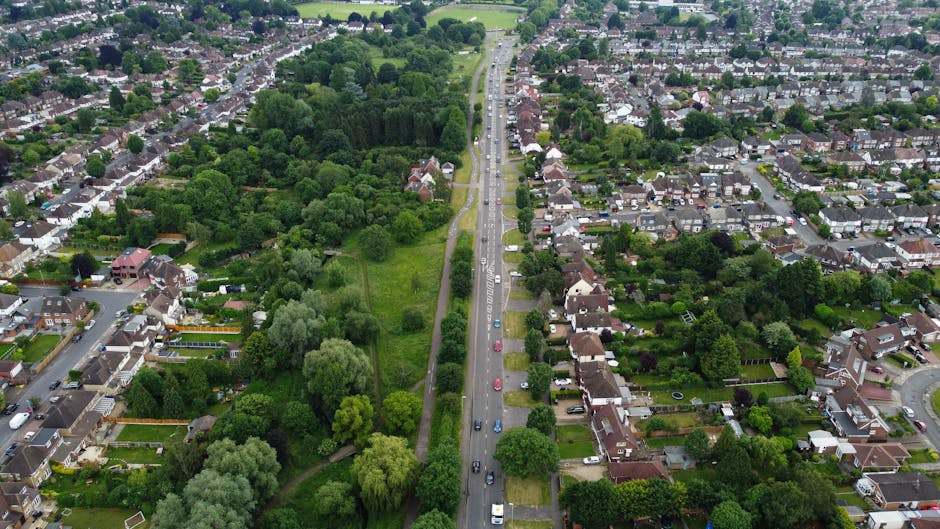
Crews Hill is a settlement in the north of the London Borough of Enfield, close to the boundary with Hertfordshire and shaped by a landscape that feels more open than much of inner London. It sits near the valley of the River Lee and is known for a mix of rural edges, garden centres and larger plots of land rather than dense urban terraces. The area takes its name from a railway station on the Hertford Loop Line, which helped connect it to wider north London and the commuter belt. Historically, the locality grew from farmland and market gardening, and that pattern still influences its character today, with horticultural businesses and open spaces remaining a defining feature. Nearby Enfield Chase and the Lea Valley provide a broader geographical context, while the local road network links Crews Hill to Enfield, Cuffley and surrounding places. Because the settlement has long been associated with nurseries, plant retail and semi-rural land use, its built environment includes a mixture of commercial yards, detached properties and countryside edges. This combination gives the place a distinct identity within the borough, where transport links, open land and low-density development sit alongside the more familiar London suburban pattern. For many people, its appeal lies in that balance between accessibility and a quieter setting, with the railway, nearby roads and open surroundings all contributing to the way the area is understood.
Household removals and lighter relocation needs
Many customers do not need a full team of movers, but they still need reliable support for a local relocation. That is where a van-led service works well for flats, studio homes, small houses and partial moves. The focus is on making the process manageable, whether you are moving a few large pieces, a limited set of rooms or the more awkward items that do not suit ordinary transport.
For jobs that sit between a small collection and a fuller move, options such as house movers and house removalists can be useful comparison pages. They describe a more domestic approach to moving furniture and household contents, while the man with van format remains a flexible choice where you want hands-on transport with less overhead. Some customers simply need an efficient way to move items from one address to another without a larger removal structure.
Where possible, it helps to sort items into what must travel, what can be donated or discarded, and what needs delicate handling. That makes the load easier to manage and keeps the delivery side cleaner. If a move includes a few heavy pieces and several lighter boxes, note that in your quotation request so the work can be scheduled sensibly and the lifting effort understood from the outset.
Furniture, equipment and item-specific transport

Some moving tasks are better understood as item transport rather than a general relocation. That might include a second-hand wardrobe, a sofa collected from another address, office chairs, a table bought online or equipment that is too large for standard parcel delivery. A van-based service gives enough space for those pieces, while still allowing careful handling and direct delivery to the intended location.
When you want a service that focuses on a particular item or a short list of pieces, our man and van removals and man with van removal pages show related ways the work can be organised. They sit alongside the broader moving options on this site and help you compare the style of assistance that best matches your job. The important point is choosing the right scale of support for the load, rather than overcomplicating a simple transport task.
Good item-specific transport depends on details such as size, weight, access and whether the item can be carried upright or needs to be laid down. If assembly or disassembly is involved, say so early. The more the move is defined at the start, the easier it is to plan safely. If you would like to discuss the job, start with a short outline and request a quotation when you are ready.
Practical planning before you book
There are a few simple things that make this kind of moving service easier to organise. First, confirm what is going and what is staying. Second, estimate how much loading space the items will need. Third, think about whether the destination has parking, stairs or any restrictions that may affect access. None of this needs to be elaborate, but it helps the work move forward with fewer surprises.
If you want to compare related options, our removal companies and removal company pages give a broader sense of the kind of support available across different moving jobs. Those pages are useful when you are considering the overall shape of the move and want to see where this service fits. In many cases, the best fit is the option that keeps the process practical and the vehicle size appropriate to the load.
For a quotation, the most useful approach is to describe the job plainly. Mention the addresses, the main items, and any handling points that need attention. If the move includes delicate surfaces, shared entrances or time-sensitive access, include that too. Then you can ask for a quote in plain language: tell us what needs moving and we will help shape the plan.