Crews Hill Road moving guide: narrow lanes & parking tips
Posted on 27/04/2026
Crews Hill Road moving guide: narrow lanes & parking tips
Moving in and around Crews Hill Road can feel straightforward on paper, then suddenly get awkward the moment a van meets a narrow lane, a tight bend, or a driveway with nowhere to stop. That is exactly why a practical Crews Hill Road moving guide: narrow lanes & parking tips matters. It helps you plan access, protect your belongings, avoid unnecessary delays, and make sure the move stays calm rather than chaotic.
If you are arranging a house move, flat move, or a smaller job that still involves awkward access, a little local planning goes a long way. The good news is that most problems around narrow roads and parking can be reduced well before moving day. With the right approach, you can save time, reduce lifting, and avoid the classic "where on earth do we put the van?" moment.
Why Crews Hill Road moving guide: narrow lanes & parking tips Matters
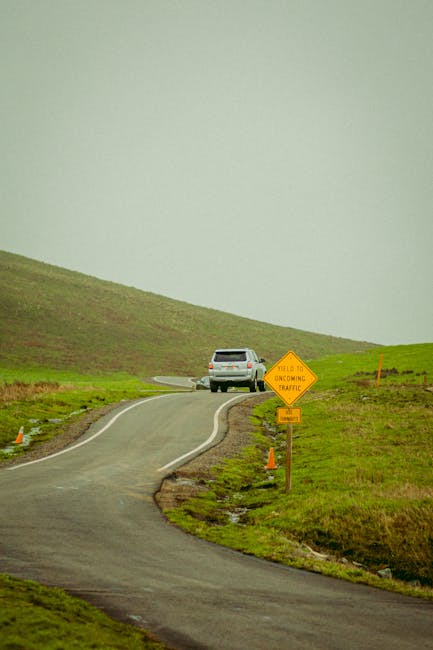
Narrow roads change the whole rhythm of a move. On a wider street, a van can usually stop close to the property, loading and unloading happens faster, and the crew can work in a cleaner flow. On a tighter road, every small decision matters: where the van waits, whether vehicles can pass, how far items need to be carried, and whether neighbours still have access.
Crews Hill Road and nearby residential routes can present the usual local access challenges that moving teams watch for: limited kerb space, parked cars, blind spots, and sections where a larger vehicle may need extra room to manoeuvre. That does not mean the move will be difficult. It means the move benefits from planning rather than improvisation.
Parking is just as important as road width. If the van is forced to stop too far away, the walk between property and vehicle becomes longer, heavier items take more handling, and the risk of trips, scuffed walls, or rushed lifting increases. In practical terms, the best parking plan is one that keeps the load short, safe, and legally sensible.
For anyone organising a wider household move, it also helps to think beyond the road itself. Packing, decluttering, furniture protection, and access at both ends all shape the result. Resources like packing hacks for a house move and decluttering like a pro can make the whole process much easier before the van even arrives.
Practical takeaway: on narrow lanes, the difference between a smooth move and a stressful one is usually not the number of boxes; it is the quality of the access plan.
How Crews Hill Road moving guide: narrow lanes & parking tips Works
The process is simple in principle: you assess access, choose the best vehicle position, prepare for limited room, and keep the loading route as short as possible. In reality, the details matter. A move on a narrow lane should be planned like a small logistics job, not treated as a quick stop-and-go task.
Start by looking at the road from both directions. Is it a one-car-width stretch? Are there corners where a long van might need to swing wide? Are there parked cars or time-based restrictions that could affect stopping space? If the answer to any of those is yes, the crew may need to position the vehicle slightly differently or plan a shorter carry from a safer stopping point.
Then consider the property itself. A front garden wall, tight driveway entrance, shared access path, or step up to the front door can all change the moving pattern. Sometimes the smartest choice is not to aim for the absolute closest point, but for the safest legal place to unload without blocking traffic or creating a hazard.
This is where professional services such as man and van services in Crews Hill, a suitable removal van, or a more full-service option like house removals in Crews Hill can help. The right vehicle size and loading plan can save a lot of stress on tight access roads.
It also helps to separate the move into phases:
- Access assessment: check the road, parking options, and entry points.
- Vehicle placement: decide where the van can stop safely and legally.
- Load sequencing: bring out the largest or heaviest items first if access is shortest early on.
- Protection and carrying: use covers, straps, trolleys, and sensible lifting methods.
- Final sweep: confirm nothing is left behind and the property is left clear.
If any part of that sounds like common sense, that is because it is. The problem is that moving day can make common sense disappear very quickly.
Key Benefits and Practical Advantages
Good access planning is not just about avoiding inconvenience. It improves the whole move in measurable, everyday ways.
First, it reduces carrying distance. That means fewer steps with heavy items and less strain on the people doing the lifting. A shorter carry is usually safer, quicker, and more predictable.
Second, it lowers the chance of damage. When items are moved in a more controlled flow, there is less bumping into gates, walls, other cars, or door frames. That matters especially for awkward furniture, mirrors, and boxed fragile items.
Third, it helps keep the road usable. On narrow lanes, parking badly can block neighbours, frustrate traffic, and create tension nobody wants on moving day. A tidy stopping plan keeps things civil and practical.
Fourth, it can save money indirectly. Even where fees are not affected, wasted time is costly. A move that runs late may lead to extra waiting, extra labour, or the need for a second trip. A better plan reduces those risks.
Fifth, it improves confidence. This is underrated. When everyone knows where the van will go and how items will be moved, the day feels calmer. If you have ever moved with a deadline hanging over you, you will know how valuable that is.
For special items, the benefit is even clearer. A piano, for example, should not be left to improvised handling on a narrow road. For that kind of job, it is sensible to read why professionals are often better than DIY for piano moving and consider the specialist service at piano removals in Crews Hill.
Who This Is For and When It Makes Sense
This guide is useful for more people than you might expect. It is not only for large family houses with full van loads. In fact, the trickiest access issues often appear on relatively simple jobs.
- Homeowners: especially if you are moving from a property with a tight front approach, shared access, or limited driveway space.
- Flat movers: where parking is constrained and the walking route may include communal areas or stairs. A flat removal service in Crews Hill can be particularly helpful here.
- Students: if the move involves several short trips, limited parking, or a quick turnaround. The same planning logic applies to student removals in Crews Hill.
- Office movers: where timing matters and vehicles must avoid blocking staff, visitors, or deliveries. See office removals in Crews Hill.
- People with bulky items: sofas, beds, appliances, wardrobes, and instruments all benefit from better access planning.
It also makes sense if you are booking a same-day job or working to a tight deadline. In those cases, the margin for error is smaller, so understanding the road and parking situation early becomes even more important. If speed is a factor, the option of same-day removals in Crews Hill may be worth exploring.
Truth be told, if your move involves more than a few boxes and the street is anything less than generous, this guide is for you.
Step-by-Step Guidance
Here is a practical way to prepare a move on a narrow road without overcomplicating it.
- Survey the route in advance. Walk or drive the street before moving day. Look for pinch points, parked vehicles, low branches, and turning space.
- Measure the obvious obstacles. Check gate widths, doorway clearances, stair turns, and any tight corners inside the property. Even a rough measurement helps.
- Agree on a loading point. Pick the safest and most practical place for the van to stop. The ideal spot is not necessarily the nearest one if it blocks access or creates a hazard.
- Inform neighbours if needed. A simple heads-up can prevent surprise parking conflicts and makes it easier to keep everyone calm.
- Prepare the largest items first. Beds, wardrobes, sofas, and appliances should be ready to go without delay. A guide like how to move a bed and mattress efficiently can be useful here.
- Use the right packing and protection. Wrap fragile items well, secure drawers, and protect door edges and furniture corners. If you need a refresher, sofa protection and storage tips and freezer storage guidance are both practical reading.
- Set a clear carrying path. Remove loose mats, bikes, bins, cables, and anything else that could become a trip hazard.
- Load in a sensible order. Put heavy and stable items in first, then fill gaps with lighter boxes. That helps with balance and reduces shifting in transit.
- Do a final walkthrough. Check cupboards, loft spaces, sheds, and utility areas. It is amazing how often a charger, key, or small box gets missed.
There is a useful mindset here: a smooth move is usually the result of many small good decisions. Nothing dramatic. Just a lot of sensible choices made at the right time.
Expert Tips for Better Results
These are the kinds of small adjustments that make a real difference on narrow lanes and tight parking streets.
- Use a smaller vehicle if access is tight. A slightly smaller van with one extra trip can be better than one oversized vehicle that cannot position cleanly.
- Reserve space with caution and courtesy. If parking is exceptionally limited, check what is appropriate for the street and avoid assumptions. Keep it legal and neighbour-friendly.
- Keep a spotter near the van. One person guiding the driver in a tight position can prevent scrapes and awkward adjustments.
- Disassemble where sensible. A flat-pack wardrobe or bed frame can be easier to carry through narrow access than the fully assembled item.
- Protect the first and last contact points. Door frames, bannisters, and vehicle interiors often get the most wear, so cover them properly.
- Move fragile items separately. If possible, keep lamps, mirrors, or glass away from the main heavy-load shuffle.
- Allow buffer time. Narrow access means loading can take longer than expected. A little spare time reduces stress.
One more tip that is easy to overlook: keep your essentials accessible. If you need documents, keys, kettle items, chargers, or medication at the new address, put them in a clearly labelled bag rather than burying them under the "miscellaneous" pile, where lost items go to retire.
For heavier lifting tasks, a practical reminder from lifting heavy objects safely and the related piece on kinetic lifting principles can help you avoid bad habits. If your move involves awkward loads, the guidance in furniture removals in Crews Hill is also worth looking at.
Common Mistakes to Avoid
Most access problems come from predictable errors, not bad luck. Avoid these and you are already ahead of the game.
- Assuming the van can park directly outside. That is often the first assumption to fail on a narrow road.
- Not checking for local parking limitations. Temporary restrictions, resident-only bays, and narrow kerbs can change the plan fast.
- Leaving furniture wrapped at the last minute. Last-minute protection is rushed protection.
- Blocking the street longer than necessary. Even if loading is allowed, keep the stop efficient and considerate.
- Ignoring the carry distance. If the van is 30 or 40 metres away, that is not a minor detail; it affects the whole schedule.
- Overloading boxes. Heavy boxes are harder to carry safely, especially down steps or around corners.
- Forgetting special items. Pianos, American-style fridges, and oversized sofas need separate planning, not a generic approach.
Another quiet mistake is failing to plan for the end of the move. People often focus entirely on loading, then realise the new property has limited access too. A good plan checks both addresses, not just the starting point.
Tools, Resources and Recommendations
You do not need specialist kit for every move, but the right basic tools make narrow-road moves far easier.
| Tool or resource | Why it helps | Best use case |
|---|---|---|
| Furniture blankets and covers | Protects finishes from knocks and dirt | Sofas, tables, wardrobes, appliances |
| Ratchet straps or load straps | Helps secure items in transit | Large or stacked furniture |
| Trolley or sack truck | Reduces carrying strain over short distances | Boxes, white goods, heavier items |
| Floor protection | Helps reduce marks on internal floors | Wet weather, heavy traffic routes |
| Good quality boxes and tape | Makes lifting, stacking, and labelling easier | Most domestic and office moves |
If you are still at the planning stage, a few support pages can be helpful. For a broader overview of available help, look at the services overview and the general removal services in Crews Hill. If you are comparing provider types, local removal companies can give you a sense of what is available.
If you are planning ahead rather than moving immediately, storage can take pressure off a tight access day. The page on storage in Crews Hill may be useful if you want to stagger the move instead of doing everything at once.
Law, Compliance, Standards, or Best Practice
Most moving-day issues on narrow roads are not legal mysteries; they are common-sense compliance and safety questions. Still, it is worth treating them properly.
Parking and obstruction: always park in a way that does not create unnecessary danger, block access, or ignore local restrictions. If you are unsure, check the local signs and avoid guessing. A short stop that is clearly legal and considerate is better than a risky one.
Manual handling: in the UK, moving heavy items should be approached carefully and in line with general health and safety practice. That means reducing avoidable strain, using assistance where sensible, and not trying to force awkward lifts just to save a minute. If a sofa or appliance needs two people, it needs two people.
Insurance and care: professional movers typically work with methods designed to reduce damage and manage risk. If you are comparing options, it is sensible to review insurance and safety information before booking. You may also want to check the company's health and safety policy if you are looking for reassurance on working practices.
Terms and payment: it is always wise to understand service scope, cancellation terms, and payment expectations in advance. That is especially true if access is uncertain or the job could take longer than first expected. Helpful background pages include terms and conditions and payment and security information.
Best practice, in short, is simple: keep the move safe, keep it legal, and keep communication clear.
Options, Methods, or Comparison Table
Different access situations call for different approaches. Here is a simple comparison to help you choose the right method.
| Method | Best for | Pros | Trade-offs |
|---|---|---|---|
| Direct kerbside loading | Roads with enough stopping space | Fastest, shortest carry, simplest flow | Not always possible on narrow lanes |
| Short-distance parking nearby | Busy or restricted streets | More realistic where parking is limited | Longer carry and more physical effort |
| Smaller van with more trips | Tight access or low manoeuvring space | Easier positioning, often less stressful | May take longer overall |
| Full removals team | Larger homes, heavy items, awkward access | Better coordination, more handling support | More service planning needed |
| Storage-first move | Staggered moving dates or space constraints | Less pressure on moving day | Requires extra organisation |
For a small, simple move, a man and van arrangement may be enough. For a bigger property, awkward furniture, or a more delicate loading pattern, a fuller removals service usually pays off in convenience and control. If you are unsure which route suits you, the safest answer is often to ask for advice before booking rather than after the van arrives.
Case Study or Real-World Example
Imagine a two-bedroom move from a property on a narrow stretch of road near Crews Hill. The street has parked cars on one side, a gentle bend near the property, and only limited space to stop directly outside. The homeowners initially assumed the van could park at the front door. Once they walked the road properly, they realised that was unlikely.
Instead of waiting until moving day to discover the problem, they adjusted the plan. They cleared the hallway the night before, boxed up loose items, and set aside the furniture they wanted loaded first. The driver was able to stop at a sensible nearby position, and a second person helped guide the route for larger items. The sofa, bed frame, and boxed kitchenware were loaded in a controlled sequence, with no rushed manoeuvres.
The move still took a little longer than a wide-driveway job would have taken. That was expected. But it stayed orderly, the neighbours were not blocked for long, and the family avoided the kind of last-minute stress that often causes mistakes.
That is the bigger lesson. On narrow lanes, success is rarely about speed alone. It is about making the job predictable.
Practical Checklist
Use this checklist a day or two before moving.
- Confirm the moving date and arrival window.
- Walk the road and note the best stopping point.
- Check for parking restrictions or obvious access barriers.
- Measure doorways, tight corners, and stair turns if needed.
- Reserve or discuss parking arrangements where appropriate.
- Tell neighbours if your move may affect shared access.
- Pack fragile items separately and label boxes clearly.
- Prepare bulky furniture for easier carrying.
- Clear hallways, landings, and entrances of loose items.
- Set aside essentials for immediate access at the new address.
- Confirm whether you need storage, specialist lifting, or extra help.
- Review service details, insurance information, and payment expectations.
If you want a smoother pre-move routine, pairing this checklist with a pre-moving cleaning checklist and a calmer approach from tips for a calmer moving experience can make a noticeable difference.
Conclusion
Crews Hill Road and the surrounding area can be perfectly manageable for a move, but narrow lanes and limited parking reward careful planning. The best results come from thinking ahead about access, vehicle size, loading order, and where the van can stop without creating problems.
If you prepare well, you will usually avoid the most common pain points: long carries, blocked access, rushed lifting, and unnecessary stress. That is true whether you are moving a few rooms' worth of furniture or a full family home.
The main lesson is simple. Treat access as part of the move, not an afterthought. Once you do that, everything becomes easier to coordinate.
Get a free quote today and see how much you can save.
If you are ready to plan a straightforward local move, explore the wider removals in Crews Hill page, or start with the team's about us information to understand how they work.