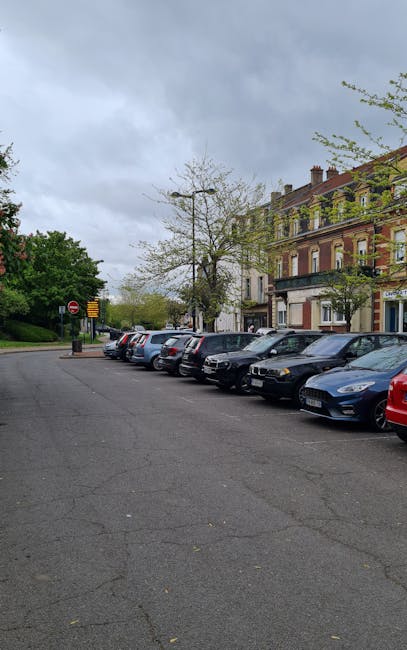
Enfield Council parking permits for Crews Hill removals: a practical guide for a smoother moving day
Parking can make or break a removal in Crews Hill. One van parked awkwardly, one blocked gate, or one missed permit can turn a tidy moving plan into a stressful stop-start shuffle. If you are arranging a move in the area, understanding Enfield Council parking permits for Crews Hill removals is one of those boring-but-essential steps that saves time, money, and a fair bit of frustration.
This guide explains what the permit issue usually means in practice, why it matters for local removals, how to plan around it, and what to do if your property sits on a narrow lane, a busy residential stretch, or somewhere awkward for a removal van to stop. It also covers common mistakes, a clear checklist, and a realistic example from a typical Crews Hill move. No fluff. Just the stuff that helps on the day.
Why Enfield Council parking permits for Crews Hill removals Matters
Crews Hill has a mix of property types and road layouts that can make access trickier than it first looks. Some homes have decent driveways, while others rely on roadside loading, shared access, or parking space that disappears quickly once neighbours are home. For a removal team, the van needs somewhere sensible to stop. Not just "nearby", but close enough to keep lifting distances short and reduce the chance of delay.
That is where parking permits or parking suspensions can become important. If your move needs a removal van to stay outside the property, or if the street is restricted, the permit question should be sorted early. Otherwise, the crew may be forced to park further away, walk furniture a longer distance, or keep relocating the vehicle mid-job. None of that is ideal when you are trying to move a bed, sofa, white goods, and boxes in one go.
To be fair, people often underestimate how much parking affects the rhythm of a move. A smooth removal is a chain reaction: the van stops in the right place, items come out safely, and the team keeps moving. Break that chain and you feel it immediately. If you want a better view of how local access issues affect the day, our Crews Hill Road moving guide with narrow-lane parking tips is a useful companion read.
Parking also matters for neighbours, delivery drivers, and anyone else sharing the street. A badly positioned removal van can block sightlines or create avoidable friction. Most people are perfectly reasonable if they know a move is happening, but nobody loves having to squeeze around a vehicle while carrying shopping bags, so a little forethought goes a long way.
How Enfield Council parking permits for Crews Hill removals Works
In simple terms, a parking permit or temporary parking arrangement is there to give a vehicle lawful or agreed access to a space for a defined purpose and time. For removals, that often means making sure the van can stop close to the property without risking a penalty, obstruction, or a last-minute scramble to find another place.
The exact process can vary depending on where the vehicle will be parked, what restrictions apply, and whether the move requires a temporary suspension of restrictions, resident-style parking permission, or another arrangement. Because rules and processing can change, it is always safest to check the current position directly with the council or through the relevant property manager if the street is controlled. If the street is private, shared, or managed by a landlord, the council may not be the only decision-maker. That part trips people up quite often.
For a removal company, the key questions are usually practical rather than theoretical:
- Can the van stop close enough to the entrance?
- Is there enough room for tail-lift operation, ramp use, or safe loading?
- Will the vehicle need to stay in one place for more than a few minutes?
- Are there restrictions at the planned moving time?
In many local moves, especially in tight residential streets, the answer is not a simple yes or no. It is more of a "yes, if we prepare properly." That preparation may include checking access the day before, deciding whether a smaller van is more practical, and planning loading so the team does not need to keep opening and closing the rear doors while blocking traffic.
If you are comparing service types, our pages on man with a van in Crews Hill and house removals in Crews Hill can help you judge whether a smaller, more agile vehicle or a full removal service is the better fit.
Key Benefits and Practical Advantages
Sorting parking properly is not just about avoiding fines. It changes the whole feel of move day.
- Shorter carrying distances: Furniture and boxes spend less time in transit from front door to van, which reduces damage risk and speeds everything up.
- Less stress: The team can focus on lifting and protecting items rather than hunting for a space every ten minutes.
- Better safety: Fewer awkward carries mean fewer chances of knocking a wall, clipping a gate, or straining someone's back.
- Cleaner time planning: Once parking is settled, the rest of the schedule becomes easier to control.
- More predictable costs: Delays caused by parking problems can sometimes lead to extra labour time. Avoiding that is just sensible.
There is also a quieter benefit that people forget: a well-planned removal feels calmer. You hear less shouting, less door-banging, less "where did we leave the tape?" and more steady progress. A move can still be tiring, obviously, but at least it becomes organised tired rather than chaotic tired. That is a different beast altogether.
If your move involves bulky items like a sofa, mattress, freezer, or piano, parking becomes even more important because those items are less forgiving. For example, a long carry with a mattress in damp weather is awkward at best. Our guides on moving your bed and mattress efficiently and protecting a sofa during storage are helpful if you are juggling a phased move or temporary storage.
Who This Is For and When It Makes Sense
Not every Crews Hill move needs a formal parking arrangement, but many do. The question is whether your property and timing make access difficult enough to justify one.
It usually makes sense for:
- homes on narrow roads or roads with limited verge space
- flats with shared entrances or restricted loading access
- properties where a large van would block traffic if parked outside
- moves involving heavy or fragile items that need very short carry distances
- same-day or time-sensitive removals where the crew cannot afford parking delays
It is also worth thinking about parking if you are moving from a terraced property, a maisonette, or a location where another vehicle often occupies the "best" space. Our guide to moving from EN2 terraced homes speaks directly to that kind of access challenge.
If you are a student moving with a small load, the permit issue may be lighter, though it still matters if you are in a restricted street. The same goes for office removals, where timing and loading access often matter more than sheer volume. In those cases, a short parking window can be the difference between a tidy handover and an irritating delay.
And yes, sometimes people think, "It'll probably be fine." Sometimes it is. But "probably" is not a very good moving strategy, is it?
Step-by-Step Guidance
If you want to handle the parking side properly, use a simple sequence. No drama, no overthinking, just a clear plan.
- Check your street layout early. Look at where a van could realistically stop without blocking driveways, busier bends, or turning points.
- Confirm whether restrictions apply. If there are controlled bays, loading limits, yellow lines, residents' zones, or private road rules, do not assume the van can simply pull up and wait.
- Decide who is handling the permit side. Sometimes the removal company advises. Sometimes the customer arranges it. Sometimes a landlord, managing agent, or building manager needs to be involved too.
- Build the parking plan into the booking. Tell the team about access, road width, gate locations, and any time limits.
- Keep proof and confirmation ready. If a parking arrangement exists, keep details accessible on the day in case they are needed.
- Test the lifting route. Walk from front door to van space with one box before moving day if you can. It sounds small, but it tells you a lot.
- Have a backup spot. In Crews Hill, things change fast. A driveway gets used, a delivery arrives, or another car occupies the space you hoped for. Plan B is not pessimism; it is experience.
For moving-day preparation more broadly, it is worth pairing your parking plan with packing and cleaning tasks. Our house move packing hacks and cleaning checklist before moving day can take a lot of pressure off the final 24 hours.
Expert Tips for Better Results
Here is the part that usually separates a decent move from a truly easy one: the small details.
- Book the parking conversation first, not last. People often confirm the van and then ask about parking afterwards. That order is backwards.
- Use the right vehicle size. A smaller van can be easier to place legally and can reduce stress on tighter streets.
- Think about timing. Early morning often gives you a calmer street and fewer competing vehicles, though every location is different.
- Keep heavy items closest to the exit point. If the van must park a little further away, that extra few metres matters more than you think.
- Protect the walking route. Door thresholds, steps, and gravel patches can become annoying if the carry distance increases.
We also recommend speaking openly with the removal team about awkward items before the job begins. A piano, tall wardrobe, freezer, or awkward bed frame might need a different loading strategy. Our page on piano removals in Crews Hill is a good reminder that specialist items deserve specialist planning.
A little local insight: around busy moving periods, parking conflicts tend to get worse rather than better. If you are moving near nurseries, small businesses, or narrow shared roads, the street can feel full by mid-morning. One of those mundane details that somehow turns into the whole day. Funny how that happens.
Common Mistakes to Avoid
Most parking problems on removal day are preventable. The catch is that they often look minor until they cause a delay.
- Leaving parking until the morning of the move. This is the big one. By then you are already under pressure.
- Assuming a loading bay is automatically available. Restrictions can still apply.
- Not telling the movers about nearby obstacles. Bollards, overhanging trees, tight corners, and low walls all matter.
- Forgetting that neighbours may also be moving or receiving deliveries. Shared space gets crowded quickly.
- Planning a large lorry-style vehicle for a street that really wants a compact van. Bigger is not always better.
- Ignoring weather. Rain makes a long carry slower and less safe. Wet pavement, wet boxes, wet everything. It is the little things.
Another common mistake is underestimating the hidden costs of delay. If the crew spends extra time repositioning the van or carrying longer distances, the whole timetable can slip. Our article on hidden removal costs Crews Hill residents often miss covers the wider budgeting angle in a useful way.
And if your move includes loft access or storage arrangements, do not treat parking as the only variable. Moisture, stairs, access height, and item protection all play a role too. The guide on loft move damp and vermin risks is worth a look for those edge cases.
Tools, Resources and Recommendations
You do not need a truckload of equipment to manage parking well. A few practical tools and habits are usually enough.
- A tape measure: Helpful for judging whether the van can fit close enough without blocking access.
- Floor plan or rough sketch: Even a hand-drawn layout helps the removals team visualise the route.
- Boxes and labels: Keep the move efficient so items are not left outside longer than necessary. If you need supplies, see packing and boxes in Crews Hill.
- Phone notes: Jot down the access details, gate codes, and parking instructions. On moving day, memory gets flaky.
- Storage plan: If the van cannot unload everything straight away, temporary storage can remove the pressure. Our Crews Hill storage options may be useful.
For especially large or awkward items, choose a removal company that is used to access challenges rather than one that treats every job like a straightforward suburban driveway. That sounds obvious, but it genuinely matters. Local knowledge saves time.
You may also want to review general service and policy information before booking, especially if you want clarity around expectations, payment, or safety. Pages such as services overview, insurance and safety, and pricing and quotes can help you feel more prepared.
Law, Compliance, Standards, or Best Practice
Parking around removals sits at the intersection of common sense, local parking controls, and general road safety. The precise rules depend on the street, the time of day, and whether the land is public, private, or managed by a third party. Because of that, the safest approach is to treat parking as a compliance issue rather than a casual arrangement.
From a best-practice point of view, a removal should avoid unnecessary obstruction, unsafe loading, and preventable disruption. That means:
- keeping access routes as clear as possible
- following any local parking restrictions in force
- using safe manual handling methods
- planning for other road users and pedestrians
- making sure the crew is not put in a risky lifting or carrying position
In the UK removals industry, good practice also means clear communication between customer and mover before the job starts. If the access route is awkward, say so. If the van may need to park away from the entrance, say so. If a permit or permission is uncertain, sort that uncertainty before the boxes start moving. It is much easier to spend ten minutes discussing it now than thirty minutes solving it at the kerb.
Some situations may involve building rules, lease conditions, or estate restrictions on top of council parking rules. Those details can override assumptions, so if a flat move or managed property is involved, the paperwork side deserves a quick check. Our flat removals in Crews Hill page is relevant if you are moving from a block or apartment-style property.
Options, Methods, or Comparison Table
If you are deciding how to handle parking for a Crews Hill move, it helps to compare the common approaches side by side.
| Approach | Best for | Pros | Watch-outs |
|---|---|---|---|
| Informal roadside parking | Simple moves with easy access | Quick, no extra paperwork, flexible | May not be possible on restricted streets or busy roads |
| Temporary parking permission / permit | Controlled streets and longer loading times | More predictable, better access, fewer surprises | Must be arranged early and checked carefully |
| Smaller van strategy | Narrow roads or tight turning space | Easier manoeuvring, sometimes simpler parking | May require more than one trip |
| Shuttle / carry from alternative space | Very restricted streets or estate layouts | Works when the ideal space is unavailable | Slower and more labour-intensive |
The right choice depends on your street, load size, and schedule. A family house move with bulky furniture will usually justify a more formal parking plan than a small student flat move. But even a smaller move can benefit from one, especially if the road is already tight.
Case Study or Real-World Example
Picture a typical Crews Hill Saturday move. The property is a mid-terrace with limited front space, a narrow road, and one neighbour already loading a car with garden supplies. The removal crew arrives at 8:30 a.m., expecting to stop close to the house, but the nearest space is gone. If nobody has planned parking, the van ends up further down the road.
Now the crew has a longer carry for sofas, boxes, and a bed frame. The mattress has to be kept dry while a light drizzle starts. Someone is trying to hold a door open while another person shouts "watch the corner" because the hallway is narrow. It is not disaster territory, but it is the sort of move that becomes harder than it needed to be.
In the better version of that same move, parking was checked ahead of time. A suitable loading area was identified. The team knew where to stop. The route from van to front door was tested in advance. Result? Less lifting, less back-and-forth, and the move was largely done before lunch. Still tiring, obviously. But calm tired. Much better.
That is really the point here. Parking planning does not make removals glamorous. It just makes them work.
If your move includes extra-large household items, the same approach applies. Good planning for furniture, appliance, or specialist item handling makes the whole job feel less like a scramble. Our pages on furniture removals and same day removals may be worth exploring if timing is tight.
Practical Checklist
Use this list before moving day. It is straightforward, and honestly, that is what you want.
- Confirm the move date and arrival window
- Check the road layout outside the property
- Identify any parking restrictions or loading rules
- Clarify whether council permission, private permission, or both may be needed
- Tell the removals team about narrow access, gates, steps, or shared driveways
- Measure large items and doorways where practical
- Reserve or arrange parking support early if required
- Keep permit or booking details handy on your phone
- Prepare a backup parking spot
- Pack and label boxes so unloading stays efficient
- Protect fragile and heavy items before they leave the house
- Double-check anything unusual about flats, estates, or private roads
If you want the move to feel more manageable overall, it can help to prepare mentally as well as logistically. Our article on achieving a calmer moving experience has a few simple ideas that pair nicely with good parking planning. And if you are decluttering first, decluttering like a pro can make the load a lot more sensible.
Conclusion
Enfield Council parking permits for Crews Hill removals are not the glamorous part of moving, but they are one of the most useful things you can get right. In a place like Crews Hill, where access can be straightforward in one street and awkward in the next, parking planning gives you control over time, safety, and stress.
Do the boring bit early. Check the street, sort the permission side, tell the removals team what they need to know, and keep a backup in mind. That one bit of preparation can make the rest of the day feel surprisingly manageable. Not perfect. Just smoother. And really, that is what most people want.
Get a free quote today and see how much you can save.
Frequently Asked Questions
Do I always need a parking permit for a removals van in Crews Hill?
Not always. It depends on the street, the restrictions in place, the size of the van, and how long the vehicle needs to stay put. Some moves can be completed with simple roadside parking, while others need a more formal arrangement.
Who usually arranges the parking permission for a removal?
It varies. Sometimes the customer handles it, sometimes the removals company advises or assists, and sometimes a landlord or managing agent is involved. The important thing is to decide early rather than leaving it to the day itself.
What happens if the van cannot park near my property?
The crew may need to carry items a longer distance, use a smaller vehicle, or make repeated trips from an alternative parking spot. That can slow the move and make lifting more tiring, especially for heavy furniture.
How early should I check parking for a Crews Hill move?
As early as possible. Ideally, confirm the parking situation when you book the removal, not after. If the street is tight or controlled, early planning can save a lot of stress later.
Are parking permits only needed for large removal trucks?
No. Even smaller vans can cause issues if they block access or sit in a restricted bay. The need for permission depends more on the location and the time than on the vehicle size alone.
Can a removals company help if I am not sure about the parking rules?
Yes, a good removals company should be able to talk through the access risks and suggest a sensible plan. They may not control the council process, but they can help you understand what is likely to work on the day.
What if I am moving from a flat or managed property?
Then you may have to deal with building rules as well as parking restrictions. Flats, estates, and private roads often have their own access conditions, so it is wise to check with the property manager too.
Does better parking really make that much difference?
Yes. It affects how far items must be carried, how quickly the team can work, and how safe the loading process feels. In practical terms, good parking often means fewer delays and less chance of accidental damage.
What should I tell the removals team before moving day?
Give them the road type, access width, parking restrictions, gate details, stair counts if relevant, and any unusual obstacles. The more honest the picture, the better the plan. No need to make it sound neat if it isn't.
Is it worth arranging parking support for a small move?
If access is easy, maybe not. But for a small move in a restricted or awkward street, yes, it can still be worth it. Sometimes a short move is the one most affected by parking, oddly enough.
Can I combine parking planning with other moving preparations?
Absolutely. In fact, you should. Packing, cleaning, decluttering, and storage decisions all work better when the parking side is settled. The whole move starts to feel more controlled, which is half the battle.
What is the biggest mistake people make with removal parking?
The biggest mistake is assuming parking will sort itself out on the day. In Crews Hill, that is a risky gamble. A little preparation tends to save a lot of hassle, and your future self will be grateful for it.