Skip permits & waste rules in Crews Hill under Enfield
Posted on 06/07/2026
If you are planning a clear-out, a renovation, or a move in Crews Hill, the rules around skips and waste can save you a lot of hassle. Skip permits & waste rules in Crews Hill under Enfield are not especially complicated, but they do catch people out when a skip sits on the road, builders' waste is mixed with household rubbish, or someone assumes "it'll be fine for a few days." Truth be told, that is usually when problems start.
This guide explains what the local process generally looks like, how to avoid common mistakes, what to think about before you book a skip, and when a different waste solution may suit you better. It is written for real-life jobs, not perfect ones. So if you are trying to keep a move on track, or simply don't want to end up with an awkward call from the council or a rejected load at a waste site, you're in the right place.
For broader moving context, you may also find this decluttering guide and these packing hacks for house moves useful alongside the waste planning below.
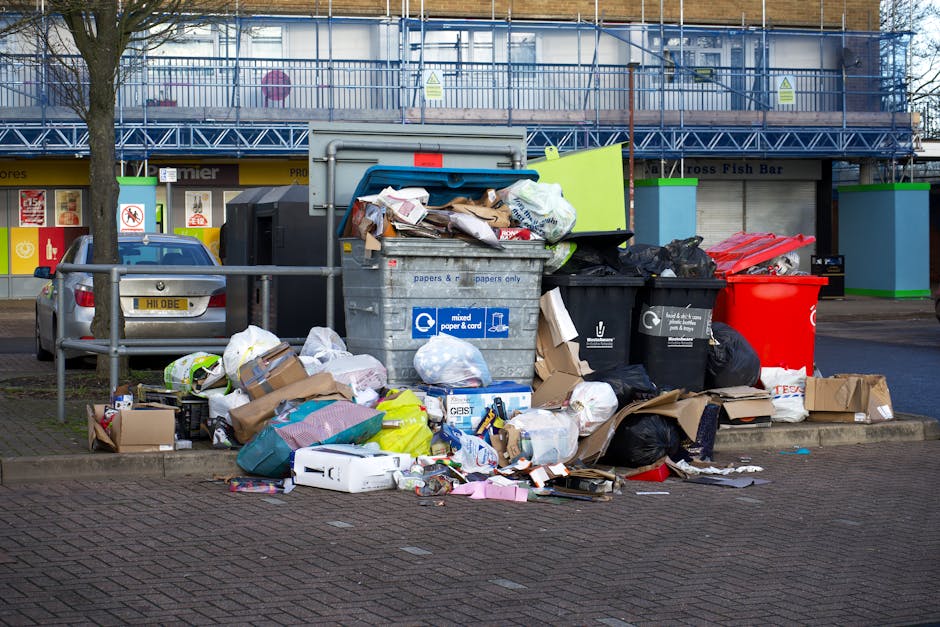
Why Skip permits & waste rules in Crews Hill under Enfield Matters
In a place like Crews Hill, waste management can become awkward very quickly because spaces are tight, access can be restricted, and road-side parking is often a compromise rather than a luxury. A skip placed on private land is one thing. A skip sitting on the highway is another matter entirely. That second scenario is where permits and local waste rules start to matter.
Why does it matter so much? Because the cost of getting it wrong is rarely just a small inconvenience. You may face delays, extra charges, blocked access for other vehicles, or the simple reality that your skip cannot be placed where you expected. On a moving day, that can snowball fast. One missed detail and suddenly there is rubble in the hallway, a van waiting outside, and a very unhappy neighbour glancing at the pavement. Not ideal.
There is also the environmental side. Waste rules are there to reduce fly-tipping, stop hazardous items from being dumped with general rubbish, and make sure recyclable materials are handled properly. If your project includes furniture, white goods, old mattresses or mixed renovation waste, sorting it properly is not just sensible. It is part of being a responsible householder or business owner.
For people juggling a move and a clear-out, a calmer moving experience often starts with sorting waste early. It sounds basic, but it genuinely helps.
Expert summary: If your skip is going on a public road, assume a permit may be needed. If your waste is mixed, bulky, or unusual, assume it needs checking before collection. That one mindset can prevent most avoidable headaches.
How Skip permits & waste rules in Crews Hill under Enfield Works
The basic idea is straightforward: if you place a skip on private property, such as a driveway or private forecourt, you usually avoid road-occupation issues. If the skip is placed on the public highway, a permit arrangement is generally involved. The details can vary depending on the road, the exact location, and local authority requirements, so the safest approach is always to confirm before the skip arrives.
Waste rules are the other half of the picture. A skip is not a magic box for everything. Most operators will ask you not to mix restricted items with general waste. Typical examples include hazardous materials, tyres, gas cylinders, batteries, electrical items, and liquids. Heavy rubble, soil, and builders' waste often have their own handling expectations too. Overfilling is another classic problem; if waste rises above the rim, it can become unsafe and may not be collected until corrected.
In practical terms, it works best like this:
- You decide what type of waste you have.
- You check whether the skip will sit on private land or the road.
- You confirm whether a permit is needed before booking.
- You separate restricted items from general waste.
- You load the skip safely, without overfilling.
If you are moving out of a flat, or dealing with items that cannot simply be put outside, it can help to compare waste options alongside your move plan. The page on flat removals in Crews Hill gives useful context for tighter-access properties, where skip placement is often trickier than people first expect.
One practical note: in narrow or shared-access streets, the question is not only "can I have a skip?" but "can I keep access safe for everyone else?" That is often the deciding factor.
Key Benefits and Practical Advantages
Handled well, skip planning and waste compliance can make a renovation or move feel far less chaotic. You get a cleaner site, fewer trips to disposal points, and fewer last-minute decisions. That matters because the biggest source of stress is usually not the amount of waste itself. It is the uncertainty around where it will go and who is responsible for it.
Here are the main advantages:
- Cleaner working space: Less clutter means safer movement around hallways, gardens, and driveways.
- Better time control: A properly sized waste solution reduces repeat handling and wasted journeys.
- Lower risk of non-compliance: You are less likely to mix prohibited items or place a skip incorrectly.
- Improved neighbour relations: A tidy setup is less disruptive and less likely to trigger complaints.
- Better budgeting: Planning ahead reduces avoidable extra charges from delays or rejected collections.
There is also a practical moving benefit. When decluttering happens before the heavy lifting, the whole move becomes more manageable. Less stuff to pack, fewer awkward items to manoeuvre, and less pressure on the removal team. If that is part of your plan, the article on decluttering like a pro is a good companion read.
To be fair, people often think waste planning is just admin. It isn't. It shapes the whole pace of the job.
Who This Is For and When It Makes Sense
This topic matters to a surprisingly wide mix of people. Homeowners doing a one-room refresh, landlords clearing a property, tradespeople stripping out a kitchen, and families preparing for a move all run into the same basic question: what is the best way to remove waste lawfully and efficiently?
It tends to make most sense when you have one or more of these situations:
- A driveway too small for a vehicle-based clear-out.
- Furniture or flooring that will not fit in ordinary council bins.
- Mixed waste from decorating or small renovation work.
- A deadline, such as a moving day or end-of-tenancy handover.
- Items that require separate handling, such as appliances or electricals.
- A need to keep the property tidy while work is underway.
If you are dealing with an especially tight home layout, local access can matter a lot. The guide on narrow lanes and parking tips in Crews Hill is particularly helpful if your waste solution depends on the road outside being usable.
Some people do not need a skip at all. If the job is small, a few bulky items, or a quick same-day clear-out, another approach may be cleaner and cheaper. That is why it helps to compare options properly rather than just booking the first obvious thing. Sometimes the obvious thing is not the best thing. Annoying, but true.
Step-by-Step Guidance
If you want to stay organised and avoid problems, follow a simple planning process. It does not need to be fancy. It just needs to be methodical.
1. Sort the waste into categories
Start by separating general household rubbish, recyclable items, bulky furniture, rubble, wood, garden waste, and anything hazardous or restricted. This makes it much easier to choose the right disposal method. It also stops useful recyclable material from being buried under mixed debris.
2. Decide where the skip will sit
If the skip can go on private ground, life is simpler. If it must sit on the road, assume paperwork or permission may be involved. Also think about overhead branches, nearby parked cars, lamp posts, and whether delivery drivers or neighbours still need access.
3. Check the waste type
Not all skips are suitable for all waste. Heavy plasterboard, soil, and hardcore can need separate handling. Mixed waste may be allowed, but the rules can differ. Asking before booking is much easier than dealing with a failed collection later.
4. Plan the timing around your project
In practice, it helps to have the skip arrive just before the waste starts piling up, not several days before. If it sits too early, it can block space. If it arrives too late, the rubbish spreads into the hallway or garden. Neither is fun.
5. Load safely and sensibly
Put flat items first, heavier waste lower down, and lighter material above. Keep the load level with the top rim unless the provider explicitly allows otherwise. Do not tuck sharp, unstable, or hazardous items where they could cause injury during collection.
6. Keep a record of what went in
This sounds a bit fussy, but it helps. If a disputed item appears later, or if you need to confirm how a load was handled, having a rough list is useful. Even a quick phone note can make life easier.
If your waste is being generated alongside a move, the moving-day clean-up checklist on cleaning before moving day can help you keep the property presentable while you work through the disposal stage.
Expert Tips for Better Results
Over the years, the smoothest waste jobs have one thing in common: they are planned around access, load type, and timing rather than just capacity. A big skip is not always the smartest choice. Sometimes two smaller, well-managed waste runs are better than one overambitious attempt.
Here are a few practical tips that make a real difference:
- Measure access properly: gate widths, turning room, overhead cables, and the slope of the ground all matter.
- Separate reusable items first: once something goes in the skip, you will not want to fish it out later.
- Keep damp waste separate if possible: wet material becomes heavier, messier, and harder to handle.
- Be honest about weight: a skip packed with soil or rubble fills differently from one full of cardboard and soft furnishings.
- Book a sensible collection window: if you are on a deadline, leave a bit of breathing room.
A small but useful habit is to keep a "not in the skip" pile somewhere safe. Batteries, paint tins, gas cylinders and sharp metal fragments should not be mixed in with everyday waste. It sounds obvious, but once a room starts filling with debris, obvious things get forgotten.
If you are also moving furniture or appliances, the storage and transport pages such as storage in Crews Hill and recycling and sustainability can help you think through what should be stored, reused, recycled, or removed straight away.
And one more thing: if your project involves heavy lifting, do not force it because you are trying to save a few minutes. Your back will remember, even if you don't.

Common Mistakes to Avoid
The mistakes people make here are usually not dramatic. They are small, ordinary oversights. That is exactly why they happen so often.
- Leaving permit checks too late: if the skip needs to go on the road, last-minute booking can create delays.
- Mixing prohibited waste: one bad item can complicate the whole load.
- Overfilling the skip: excess waste above the rim is a common reason for refusal or unsafe collection.
- Choosing the wrong size: too small means extra hassle; too large can be poor value if you only have a modest amount.
- Ignoring access problems: a skip may be allowed in theory but awkward in reality.
- Assuming all waste is treated equally: different materials are handled differently, and that matters.
- Forgetting neighbours or shared spaces: tight streets need a bit of diplomacy.
One recurring issue is overconfidence. People think, "It's only a quick clear-out." Then three broken wardrobes, a mattress, half a shed, and two bin bags later, the job looks very different. Happens all the time.
If the waste is tied to a bigger relocation, you may also want to read about hidden costs on removal quotes so the disposal side does not quietly inflate your moving budget.
Tools, Resources and Recommendations
You do not need a huge toolkit to manage this properly, but a few basic items help. A tape measure, sturdy gloves, heavy-duty bags, marker pens, and a simple checklist are usually enough for most small-to-medium jobs. If you are dealing with dismantled furniture, having labels or masking tape for parts is a quiet life-saver.
Recommended practical approach:
- Use a room-by-room list: this stops waste from drifting across the property and getting forgotten.
- Take quick photos before sorting: especially useful if you are comparing disposal options or deciding what can be reused.
- Separate recyclables early: cardboard, metal, and some wood items are easier to manage when sorted in advance.
- Keep cleaning materials close by: dust, rubble, and splinters appear quickly, especially in older homes.
- Plan the exit route: if rubbish has to be carried through a narrow hallway or up stairs, think about damage prevention too.
For readers preparing a full property clear-out, it can also help to think beyond waste. If you are moving a sofa, bed, freezer or piano, the following pages are practical companions: sofa storage tips, moving a bed and mattress, freezer storage guidance, and piano removals in Crews Hill. They each connect to the wider reality of clearing space safely.
Law, Compliance, Standards, or Best Practice
Without turning this into a legal lecture, there are a few principles worth keeping in mind. Waste should be stored, transported, and disposed of responsibly. If you hire a skip, the provider should be able to explain what can and cannot go in it, where it can be placed, and what happens if the load is not safe for collection.
Good practice usually means:
- Checking whether road placement requires permission or a permit.
- Keeping the load within safe height and weight expectations.
- Keeping hazardous materials out of general mixed waste.
- Using licensed and reputable services for removal and disposal.
- Following local instructions on access, collection times, and placement.
When the job involves homes, flats, or shared access points, safety matters as much as legality. You are not just trying to get waste out of the property. You are trying to do it without causing damage, blocking access, or creating a hazard. That means thinking ahead about routes, lifting methods, and weather too. Wet ground and dark evenings make everything less forgiving, especially in winter. We all know that feeling.
It is also sensible to keep your own records of what was disposed of and when, especially if the waste came from a rental property, a refurbishment, or a commercial space. Plain notes are fine. No need for anything fancy.
Options, Methods, or Comparison Table
People usually compare three main approaches: hiring a skip, using a man and van waste removal service, or making multiple trips themselves. Each one can work, but the right choice depends on volume, access, time, and how mixed the waste is.
| Method | Best for | Strengths | Watch-outs |
|---|---|---|---|
| Skip hire | Larger clear-outs, renovation waste, ongoing jobs | Stays on site, easy for repeated loading, good for steady waste generation | Permit may be needed on the road, access can be tight, restricted items still apply |
| Man and van waste removal | Bulky items, quick clear-outs, tight access | Fast, less site disruption, often better for one-off collections | Needs loading on the day, can be less ideal if waste builds up over time |
| DIY trips to a disposal site | Small loads, people with suitable vehicle access and time | Flexible, no skip occupying space | Time-consuming, multiple journeys, manual handling pressure, easy to underestimate effort |
For many Crews Hill households, the answer is not a single method. It is a blended approach. For example, a home move might use one waste collection for old furniture, storage for items to keep, and a quick declutter session before moving day. That can work much better than trying to do everything in one burst.
If you are comparing moving and waste options at the same time, the pages on man and van in Crews Hill and removals in Crews Hill are useful for understanding how disposal and transport can fit into one wider plan.
Case Study or Real-World Example
Imagine a family preparing to leave a property in Crews Hill after a long stint in the same home. There is garden clutter, some broken shelving, a worn sofa, packaging from new furniture, and a few bags of general waste from sorting through cupboards. The first instinct is usually to book the biggest skip possible and be done with it.
But once access is checked, the picture changes. The drive is narrow. The road outside is not ideal for a skip without more planning. The family also realises a few items can be reused, and the mattress should be handled separately from the garden waste. Instead of forcing one oversized solution, they split the job:
- Reusable items are separated and kept aside.
- General clutter is bagged and sorted room by room.
- Bulky items are removed with a dedicated transport arrangement.
- Only the mixed waste that truly needs containment is booked into the skip option.
The result is simpler, cleaner, and oddly calmer. Not perfect, because real homes never are, but manageable. That is the real win here.
A similar approach is often useful for tighter properties too, especially where access or stairwells make waste handling awkward. The article on moves from EN2 terraced homes is a good example of why planning around the property shape matters so much.
Practical Checklist
Use this checklist before you book or load anything. It keeps the process grounded and avoids a lot of unnecessary back-and-forth.
- Identify whether the skip will be on private land or the road.
- Confirm if permission or a permit may be needed.
- Measure access, gate widths, and any tricky corners.
- Separate general waste, recyclables, bulky items, and restricted items.
- Check the rules for rubble, soil, plasterboard, and mixed loads.
- Plan where the skip or collection vehicle will sit without blocking access.
- Decide the best delivery and collection timing.
- Prepare gloves, bags, labels, and cleaning materials.
- Keep hazardous materials out of ordinary waste.
- Do not overfill the skip.
- Keep neighbours informed if the placement may affect parking or access.
- Review whether a different disposal method would be more practical.
If you are also trying to downsize furniture, the furniture removals in Crews Hill page can help you think about what to remove, what to store, and what to recycle instead of dumping.
Conclusion
Skip permits & waste rules in Crews Hill under Enfield are easiest to handle when you treat them as part of the project plan, not an afterthought. Check access early, separate waste properly, and choose the disposal method that fits the space you actually have, not the space you wish you had. That simple shift saves time, money, and a fair bit of stress.
For many local moves and clear-outs, the best result comes from combining smart sorting, sensible timing, and a realistic view of what can be handled on-site. Keep it tidy, keep it legal, and keep it manageable. That is the whole game, really.
Get a free quote today and see how much you can save.
If your project includes removals, packing, or storage alongside waste disposal, it may help to review the services overview and pricing and quotes so you can line everything up properly before the pressure builds.